In-Person Trauma and EMDR Counselling in Fort McMurray
Difficult or traumatic experiences can have a lasting impact on how we think, feel, connect with others, and navigate everyday life. Even after an experience has passed, its emotional and psychological effects may continue to influence our well-being.
At Family Life Psychology & Wellness, we provide compassionate, professional trauma counselling in Fort McMurray for individuals seeking support with distressing experiences, overwhelming emotions, and trauma-related concerns.
Trauma can affect people in different ways. Some individuals experience anxiety, intrusive memories, difficulty sleeping, or strong emotional reactions, while others may notice changes in relationships, emotional numbness, or a sense of being constantly on edge.
Our counselling team offers a welcoming, confidential environment where clients can explore their experiences, better understand their responses, and develop strategies that support emotional well-being.
We also welcome inquiries about Eye Movement Desensitization and Reprocessing (EMDR), a structured psychotherapy approach used to help people process distressing memories. Whether EMDR is available and appropriate for you will depend on practitioner availability and an individualized clinical assessment.
You do not need to have everything figured out before seeking support. Trauma-informed counselling can provide a space to explore your concerns at a pace that feels manageable.

When Trauma Counselling May Help
Trauma is not defined solely by the event itself, but also by how an individual experiences and responds to it.
People may seek trauma counselling after a single distressing experience, a series of difficult events, or prolonged exposure to stressful or harmful circumstances.
Some common reasons individuals seek trauma counselling include:
- Persistent anxiety, fear, or feeling on edge
- Intrusive thoughts or unwanted memories
- Difficulty sleeping or distressing dreams
- Strong emotional reactions to certain situations
- Avoidance of places, people, or reminders of past experiences
- Feeling emotionally numb or disconnected
- Difficulty trusting others or maintaining relationships
- Irritability, anger, or emotional overwhelm
- Difficulty concentrating or feeling present
- Feelings of guilt, shame, or self-blame
- Grief or distress following significant life events
- Difficulty feeling safe or relaxed
- Changes in confidence or self-esteem
Not everyone who experiences trauma develops the same symptoms, and there is no single way that someone should respond to a difficult experience.
Some people recognize a connection between their current struggles and a past event, while others may simply notice that certain emotions or situations have become increasingly difficult to manage.
You do not need a formal PTSD diagnosis to seek trauma counselling. Support may be helpful whenever distressing experiences are affecting your emotional well-being or everyday functioning.
How Trauma Counselling Can Help
Trauma-informed counselling provides a supportive environment where individuals can explore the effects of difficult experiences while developing greater understanding of their emotions, thoughts, and responses.
At Family Life Psychology & Wellness, counselling is tailored to each client’s circumstances, concerns, preferences, and goals.
Depending on your individual needs, trauma counselling may help you:
- Better understand how trauma can affect emotional and psychological well-being
- Recognize patterns in emotional and physical stress responses
- Develop coping and grounding strategies
- Strengthen emotional regulation skills
- Explore feelings connected to difficult experiences
- Address unhelpful beliefs or patterns of self-blame
- Improve communication and relationships
- Develop a greater sense of safety and stability
- Build confidence in navigating difficult situations
- Identify personal strengths and sources of support
- Work toward meaningful goals for emotional well-being
Our approach emphasizes collaboration, respect, and individual choice.
Trauma counselling does not require you to share every detail of a difficult experience immediately. Your counsellor will work with you to determine what feels appropriate to discuss and how to approach your concerns.
What Is EMDR Therapy?
Eye Movement Desensitization and Reprocessing (EMDR) is a structured psychotherapy approach that can be used to address distressing memories and trauma-related symptoms.
EMDR is based on the understanding that certain distressing experiences may continue to influence a person’s emotional responses, beliefs, and reactions long after the event has occurred.
During EMDR therapy, a trained practitioner guides clients through a structured process that may involve recalling aspects of a distressing memory while engaging in bilateral stimulation, such as guided eye movements, alternating sounds, or tapping.
The goal is to help the person process distressing memories in a way that may reduce their emotional intensity and the impact they have on everyday life.
EMDR has an established evidence base for treating post-traumatic stress disorder (PTSD), although individual responses and treatment outcomes vary.
What Can EMDR Therapy Help With?
EMDR is most strongly supported by research as a treatment for PTSD and trauma-related distress.
Depending on a person’s circumstances and clinical needs, a practitioner may consider EMDR when working with concerns such as:
- Distressing or intrusive memories
- Trauma-related anxiety and emotional reactions
- PTSD symptoms
- Avoidance connected to traumatic experiences
- Negative beliefs associated with past experiences
- Emotional distress following difficult events
EMDR is not necessarily the right approach for everyone. Your counsellor can discuss whether it may be appropriate based on your symptoms, goals, preferences, readiness, and clinical circumstances.
Do I Have to Relive My Trauma During EMDR?
One concern people sometimes have about EMDR is whether they will be required to describe every detail of a traumatic experience.
EMDR does not necessarily require a detailed verbal account of everything that happened. However, treatment may involve bringing aspects of distressing memories to mind, which can temporarily increase emotional discomfort.
A qualified EMDR practitioner will explain the process, discuss preparation and coping strategies, and help determine whether this approach is appropriate for you.
You can ask questions and discuss concerns about the process before deciding whether to proceed.
What to Expect During Trauma Counselling
Beginning trauma counselling can feel like a significant step, particularly when you are unsure what to expect or feel uncomfortable discussing difficult experiences.
At Family Life Psychology & Wellness, we aim to provide a supportive, respectful environment where you can explore your concerns at a manageable pace.
Your First Appointment
The initial appointment provides an opportunity to discuss what brought you to counselling, your current concerns, relevant background information, and what you hope to gain from the process.
Your counsellor may ask about your emotional well-being, symptoms, coping strategies, relationships, and other factors that may be contributing to your current difficulties.
You will also have an opportunity to ask questions, discuss confidentiality and its limits, and identify goals for counselling.
You do not need to share every detail of a traumatic experience during your first appointment.
Developing a Personalized Counselling Approach
Because everyone’s experiences and responses to trauma are different, counselling is adapted to your individual needs.
Depending on your circumstances, sessions may include:
- Supportive conversations and reflection
- Exploring the impact of distressing experiences
- Developing grounding and coping strategies
- Building emotional awareness and regulation skills
- Identifying patterns in thoughts, feelings, and behaviours
- Strengthening personal resources and support systems
- Exploring appropriate trauma-focused treatment options
- Discussing EMDR where available and clinically appropriate
Your counsellor will work collaboratively with you to determine an approach that aligns with your goals and preferences.
Moving Forward at Your Own Pace
Trauma counselling is not about rushing through difficult experiences or forcing yourself to discuss something before you are ready.
Your counsellor will help establish a supportive environment where you can ask questions, express concerns, and participate in decisions about your care.
The pace, duration, and focus of counselling will depend on your individual needs and circumstances.
In-Person Trauma and EMDR Counselling in Fort McMurray
Family Life Psychology & Wellness is proud to provide local mental health support for individuals and families throughout Fort McMurray and the surrounding Wood Buffalo region.
We understand how important it is to have access to professional counselling services close to home, particularly when seeking support for difficult or sensitive experiences.
Our Fort McMurray clinic offers a welcoming, confidential environment where individuals can explore trauma-related concerns and discuss appropriate counselling options.
If you are specifically interested in EMDR therapy, our team can help you inquire about practitioner availability and whether EMDR may be a suitable treatment option.
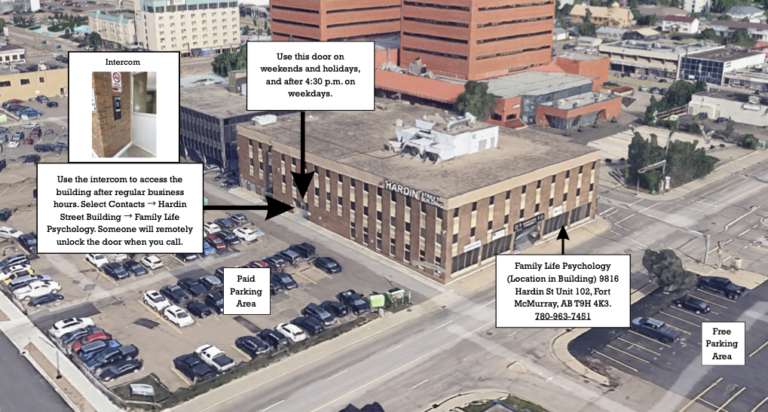
Our Fort McMurray Location
Family Life Psychology & Wellness
9816 Hardin Street, Unit 102
Fort McMurray, AB T9H 4K3