Trauma Counselling in Alberta — Healing at Your Own Pace
Trauma can change the way you experience the world. It can affect how safe you feel, how you relate to others, how you see yourself, and how your mind and body respond to everyday situations. Sometimes the effects are immediate, while other times they don’t appear until months or even years later.
At Family Life Psychology & Wellness, we provide compassionate, evidence-informed trauma counselling for children, teens, adults, and couples throughout Alberta, including Spruce Grove, Edmonton, Fort McMurray, and surrounding communities.
Our registered psychologists understand that healing from trauma isn’t about “getting over it.” It’s about helping you regain a sense of safety, reconnect with your strengths, and move forward in a way that feels right for you.
Whether you’ve experienced a single traumatic event or the effects of ongoing adversity, you don’t have to face it alone.
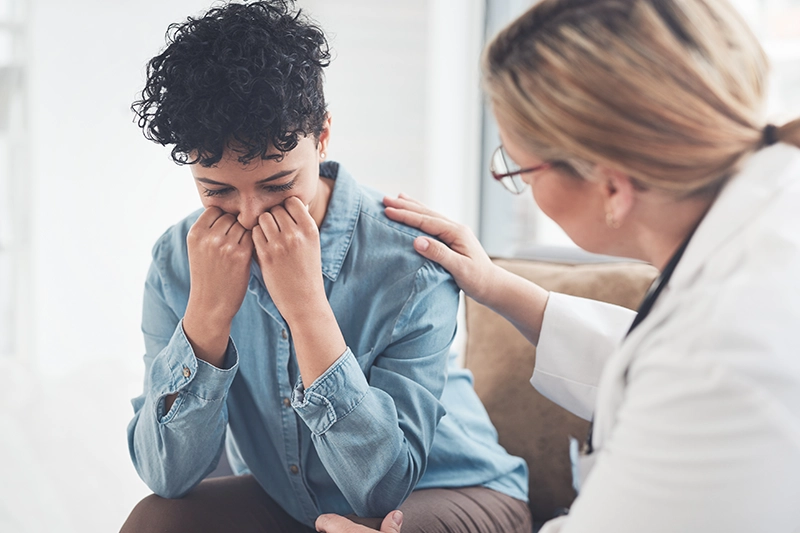
Understanding Trauma — What It Is and What It Isn’t
Trauma isn’t defined solely by what happened—it’s also about how your mind and body responded to the experience.
An event that feels manageable for one person may be deeply overwhelming for someone else. There is no “right” way to experience trauma, and there is no timeline for healing.
Trauma may result from experiences such as:
- Motor vehicle accidents
- Physical or emotional abuse
- Sexual violence
- Childhood neglect
- Domestic violence
- Medical trauma
- Sudden loss of a loved one
- Natural disasters
- Workplace incidents
- Bullying
- Ongoing exposure to chronic stress
- Witnessing traumatic events
Some people develop symptoms shortly after an event, while others notice changes much later.
Trauma can affect emotions, thoughts, memory, relationships, physical health, sleep, and your ability to feel safe in everyday life.
Common symptoms include:
- Feeling constantly on edge
- Flashbacks or intrusive memories
- Nightmares
- Avoiding reminders of the event
- Difficulty trusting others
- Emotional numbness
- Anxiety or panic
- Irritability
- Difficulty concentrating
- Feeling disconnected from yourself or others
Experiencing these symptoms doesn’t mean you’re weak. They are common responses to overwhelming experiences.
You Don’t Have to Relive Everything to Heal
One of the biggest misconceptions about trauma therapy is that you’ll be expected to revisit painful memories in detail during every session.
That simply isn’t true.
At Family Life Psychology & Wellness, we recognize that healing begins with feeling safe—not with forcing conversations before you’re ready.
Our psychologists will never pressure you to discuss experiences before trust has been established.
Many people make meaningful progress by first learning how trauma affects the brain and body, building coping skills, improving emotional regulation, and strengthening their sense of safety before exploring difficult memories.
Healing happens gradually, and you’re always in control of your own story.
What Our Trauma Counselling Involves
Trauma therapy looks different for every person because every experience is unique.
Our psychologists work collaboratively with you to create a treatment plan that reflects your goals, comfort level, and personal experiences.
Creating safety first
Safety is the foundation of trauma therapy.
Before exploring difficult experiences, we focus on helping you feel emotionally supported and equipped with tools to manage distress both inside and outside of counselling sessions.
This may include developing strategies for:
- Managing overwhelming emotions
- Reducing anxiety
- Improving sleep
- Grounding during moments of distress
- Strengthening healthy coping skills
- Building supportive relationships
Safety is the foundation of trauma therapy.
Before exploring difficult experiences, we focus on helping you feel emotionally supported and equipped with tools to manage distress both inside and outside of counselling sessions.
This may include developing strategies for:
Processing at your pace
There is no timeline for trauma recovery.
Some people want to explore difficult experiences sooner, while others need time to build trust before discussing them.
Your psychologist will respect your pace while helping you gradually process experiences in ways that reduce distress and increase understanding.
The goal isn’t to erase what happened—it is to lessen its impact on your daily life.
Building resilience and moving forward
Trauma counselling is about more than processing painful experiences.
It’s also about helping you reconnect with your strengths, rebuild confidence, strengthen relationships, and move toward the life you want to live.
As therapy progresses, many clients notice improvements in:
- Emotional regulation
- Self-confidence
- Relationships
- Sleep
- Stress management
- Sense of safety
- Overall wellbeing
Healing doesn’t mean forgetting the past. It means the past no longer has the same control over your present.
Trauma in Children and Teens
Children and adolescents often experience trauma differently than adults.
Rather than talking about traumatic experiences directly, they may express distress through behaviour, emotions, or physical symptoms.
Signs may include:
- Increased anxiety
- Nightmares or sleep difficulties
- Emotional outbursts
- Withdrawal from family or friends
- Changes in school performance
- Difficulty concentrating
- Regression to earlier behaviours
- Irritability
- Separation anxiety
- Physical complaints without a clear medical cause
Our psychologists use developmentally appropriate approaches that help children and teens feel safe while supporting healthy emotional processing.
Parents are also included throughout the counselling process to strengthen support both at home and during therapy.
Trauma in Adults and Couples
Trauma doesn’t only affect individuals—it can also affect relationships.
Adults may notice trauma impacting trust, intimacy, communication, parenting, work performance, or their ability to feel emotionally connected.
Couples may experience:
- Increased conflict
- Emotional distance
- Difficulty communicating
- Changes in intimacy
- Feelings of isolation
- Different coping styles after a traumatic event
Counselling can help individuals and couples better understand how trauma affects their relationships while developing healthier ways of communicating, supporting one another, and rebuilding connection.
Whether you’re healing individually or together, therapy provides a compassionate space to move forward.
Evidence-Informed Approaches to Trauma
Our psychologists use evidence-based approaches tailored to each person’s unique experiences and goals.
Depending on your needs, therapy may include:
- Trauma-focused Cognitive Behavioural Therapy (TF-CBT)
- Cognitive Behavioural Therapy (CBT)
- Acceptance and Commitment Therapy (ACT)
- Mindfulness-based approaches
- Emotion regulation strategies
- Somatic awareness and grounding techniques
- Attachment-informed therapy
- Strengths-based counselling
We believe there is no single approach that works for everyone.
Together, we’ll determine the methods that best support your healing while respecting your pace and preferences.
Serving Spruce Grove, Edmonton, Fort McMurray, and Alberta Virtually
Family Life Psychology & Wellness proudly provides trauma counselling for children, teens, adults, and couples across Alberta.
We regularly support clients from:
- Spruce Grove
- Edmonton
- Fort McMurray
- Surrounding Alberta communities
We offer both in-person and secure virtual counselling appointments, making it easier to access compassionate trauma therapy wherever you live.
Whether you meet with us in person or online, you’ll receive thoughtful, evidence-informed care in a safe and supportive environment.