In-Person Psychoeducational Assessments in Spruce Grove
Everyone learns differently. While some individuals find certain academic tasks straightforward, others may experience ongoing challenges with reading, writing, mathematics, memory, attention, or processing information.
When learning difficulties begin affecting confidence, academic performance, or everyday functioning, understanding the reasons behind these challenges can be an important first step.
At Family Life Psychology & Wellness, we offer professional psychoeducational assessments in Spruce Grove for children, teenagers, post-secondary students, and adults seeking a clearer understanding of their learning abilities, strengths, and challenges.
A psychoeducational assessment, sometimes called a learning assessment or educational assessment, is a comprehensive evaluation that explores how an individual thinks, processes information, and learns.
These assessments may help identify learning difficulties, explore possible learning disabilities, and provide recommendations that support educational planning and individual learning needs.
Whether you’re a parent concerned about your child’s progress at school, a student struggling with academic demands, or an adult hoping to better understand longstanding learning challenges, our team can help you explore whether a psychoeducational assessment may be appropriate.
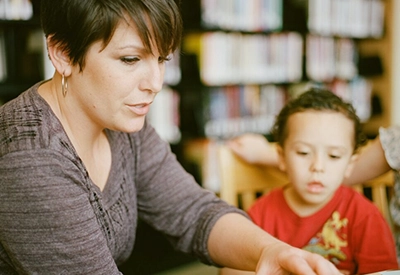
When Might a Psychoeducational Assessment Be Helpful?
Learning challenges can look different from person to person.
Some students struggle with specific academic subjects despite consistent effort, while others have difficulty organizing assignments, remembering instructions, completing tasks, or keeping up with classroom expectations.
A psychoeducational assessment may be helpful when an individual experiences:
- Persistent difficulties with reading, spelling, or reading comprehension
- Challenges with written expression, grammar, or organizing ideas
- Difficulty understanding mathematical concepts or calculations
- Academic performance that does not seem to reflect their abilities
- Trouble remembering or processing information
- Difficulty following multi-step instructions
- Challenges with attention, concentration, or task completion
- Slow academic progress despite additional support
- Difficulty with planning, organization, or study skills
- Frustration, avoidance, or reduced confidence related to learning
- Questions about possible learning disabilities
- A need for greater clarity when considering educational supports
Sometimes learning challenges become noticeable in elementary school. In other cases, they may not become apparent until high school, post-secondary education, or adulthood, when academic expectations become more demanding.
You do not need to know the cause of the difficulty before seeking an assessment.
Our team can help you discuss your concerns and determine whether a psychoeducational assessment is an appropriate next step.
What Can a Psychoeducational Assessment Help Identify?
A psychoeducational assessment explores different aspects of learning and cognitive functioning to develop a clearer understanding of an individual’s strengths and areas of difficulty.
The specific areas assessed depend on the referral questions, age, history, and individual circumstances.
Cognitive Abilities and Learning Strengths
Cognitive assessment may explore abilities involved in reasoning, problem-solving, memory, and processing information.
Understanding an individual’s cognitive profile can help identify areas of strength and patterns that may influence learning.
Academic Skills
Academic testing may explore performance in areas such as:
- Reading accuracy and comprehension
- Spelling and written expression
- Mathematics and numerical reasoning
- Other academic skills relevant to the referral question
These findings may help clarify whether difficulties are concentrated in a particular academic area or involve broader learning concerns.
Attention and Executive Functioning
Attention and executive functioning skills play an important role in learning.
These skills help individuals organize information, manage time, plan assignments, regulate attention, and complete tasks.
When appropriate, an assessment may explore how difficulties in these areas affect academic functioning.
Learning Disabilities
A psychoeducational assessment may help determine whether an individual meets the criteria for a specific learning disorder.
Learning disabilities can affect particular academic skills, including reading, writing, or mathematics.
An assessment considers multiple sources of information to better understand the nature of the difficulties and whether a learning disorder or other factors may be contributing.
Individual Strengths and Support Needs
Psychoeducational assessments are not only about identifying difficulties.
They also provide an opportunity to recognize individual strengths, understand learning preferences and needs, and develop recommendations that build on existing abilities.
Psychoeducational Assessments for Children and Teenagers
School can present different challenges as children grow and academic expectations change.
Some students may have difficulty learning to read or write, while others struggle with mathematics, attention, organization, or keeping up with increasingly complex assignments.
For parents and caregivers, it can be frustrating to see a child putting in significant effort without making the progress they expect.
A psychoeducational assessment may help families better understand the factors contributing to these challenges.
Depending on the findings, recommendations may help guide conversations about:
- Classroom learning strategies
- Academic accommodations
- Additional educational supports
- Study and organizational skills
- Strength-based learning approaches
- Areas that may benefit from further assessment or intervention
Assessment results can provide useful information for parents, caregivers, educators, and other professionals involved in supporting a student’s learning.
However, decisions about school accommodations, programming, or eligibility for particular supports are made by the relevant educational institution.
Psychoeducational Assessments for Post-Secondary Students and Adults
Learning difficulties do not always become apparent during childhood.
Some individuals develop strategies that help them manage academic challenges for years, only to find that these approaches become less effective as educational or workplace demands increase.
Post-secondary students may seek a psychoeducational assessment when experiencing difficulties with reading-intensive coursework, written assignments, examinations, time management, or other academic demands.
Adults may pursue an assessment to better understand longstanding challenges with learning, information processing, or related areas of functioning.
An assessment may help clarify individual strengths and needs and provide recommendations that could inform educational planning or discussions about appropriate supports.
If you are seeking an assessment for accommodations at a college, university, professional program, or workplace, it is important to confirm the institution’s documentation requirements before beginning the process.
What to Expect During a Psychoeducational Assessment
Beginning a psychoeducational assessment can feel unfamiliar, especially when you’re unsure what testing involves or how the results will be used.
At Family Life Psychology & Wellness, we aim to make the process informative, collaborative, and supportive.
Because each assessment is individualized, the exact steps may vary depending on the concerns being explored.
Step 1: Initial Consultation and Understanding Your Concerns
The assessment process begins with a discussion about the reasons for seeking an evaluation.
This may include questions about academic history, current learning challenges, developmental background, previous supports, and the specific questions you hope the assessment will answer.
For children and teenagers, parents or caregivers are typically involved in providing relevant background information.
This conversation helps determine the appropriate assessment approach.
Step 2: Gathering Background Information
Depending on the individual’s needs, the psychologist may gather information through:
- Interviews with the individual or caregivers
- Developmental and educational history
- Review of school records or previous assessments
- Questionnaires or rating scales
- Information from teachers or other relevant professionals, with appropriate consent
This information helps provide context for understanding learning patterns and assessment findings.
Step 3: Cognitive and Academic Testing
Psychoeducational assessments commonly involve standardized measures designed to explore cognitive abilities and academic skills.
Depending on the referral questions, testing may examine reasoning, memory, processing, reading, writing, mathematics, or other relevant areas.
The psychologist selects assessment tools based on the individual’s age, needs, and circumstances.
Testing may take place across one or more appointments, depending on the assessment plan.
Step 4: Reviewing the Results and Recommendations
Once the assessment information has been collected, the psychologist reviews the findings and considers how they relate to the original referral questions.
A feedback appointment may provide an opportunity to discuss the results, ask questions, and review recommendations.
A written report may also summarize the findings, relevant conclusions, and suggested next steps.
Recommendations may address learning strategies, educational supports, accommodations, or other resources appropriate to the individual’s needs.
Our team can explain the specific testing process, report arrangements, and expected timelines before booking.
How Psychoeducational Assessment Results May Support Learning
A psychoeducational assessment can provide information that helps individuals, families, and educators better understand learning needs.
Educational Planning and Classroom Supports
For school-aged children and teenagers, assessment findings may help inform discussions about classroom strategies, learning supports, and accommodations.
Recommendations can provide useful information for educational planning, although specific decisions remain with the school or educational authority.
Post-Secondary Accommodations
College and university students may use assessment findings when discussing academic supports with their institution’s accessibility or student services office.
Documentation requirements and eligibility criteria vary between institutions, so accommodations are not guaranteed by completing an assessment.
Understanding Learning Strengths
One of the valuable aspects of psychoeducational assessment is gaining a clearer understanding of how someone learns.
Identifying strengths alongside areas of difficulty may help individuals develop practical strategies, communicate their needs, and make informed decisions about future learning opportunities.
In-Person Psychoeducational Assessments in Spruce Grove
Family Life Psychology & Wellness is proud to provide professional psychoeducational assessment services for children, teenagers, post-secondary students, and adults in Spruce Grove and surrounding communities.
Our clinic welcomes individuals and families from Spruce Grove, Stony Plain, Parkland County, and the greater Edmonton area who are seeking a better understanding of learning difficulties and educational needs.
Whether you’re concerned about your child’s academic progress, exploring a possible learning disability, or seeking clarity about your own learning profile, our team can help you discuss the assessment options available.
Our Spruce Grove Location
Family Life Psychology & Wellness
#226, 20 Westwind Drive
Spruce Grove, AB T7X 0Y5
Located on the second floor above Connect Care Medical Clinic.